- Focus Area: Education
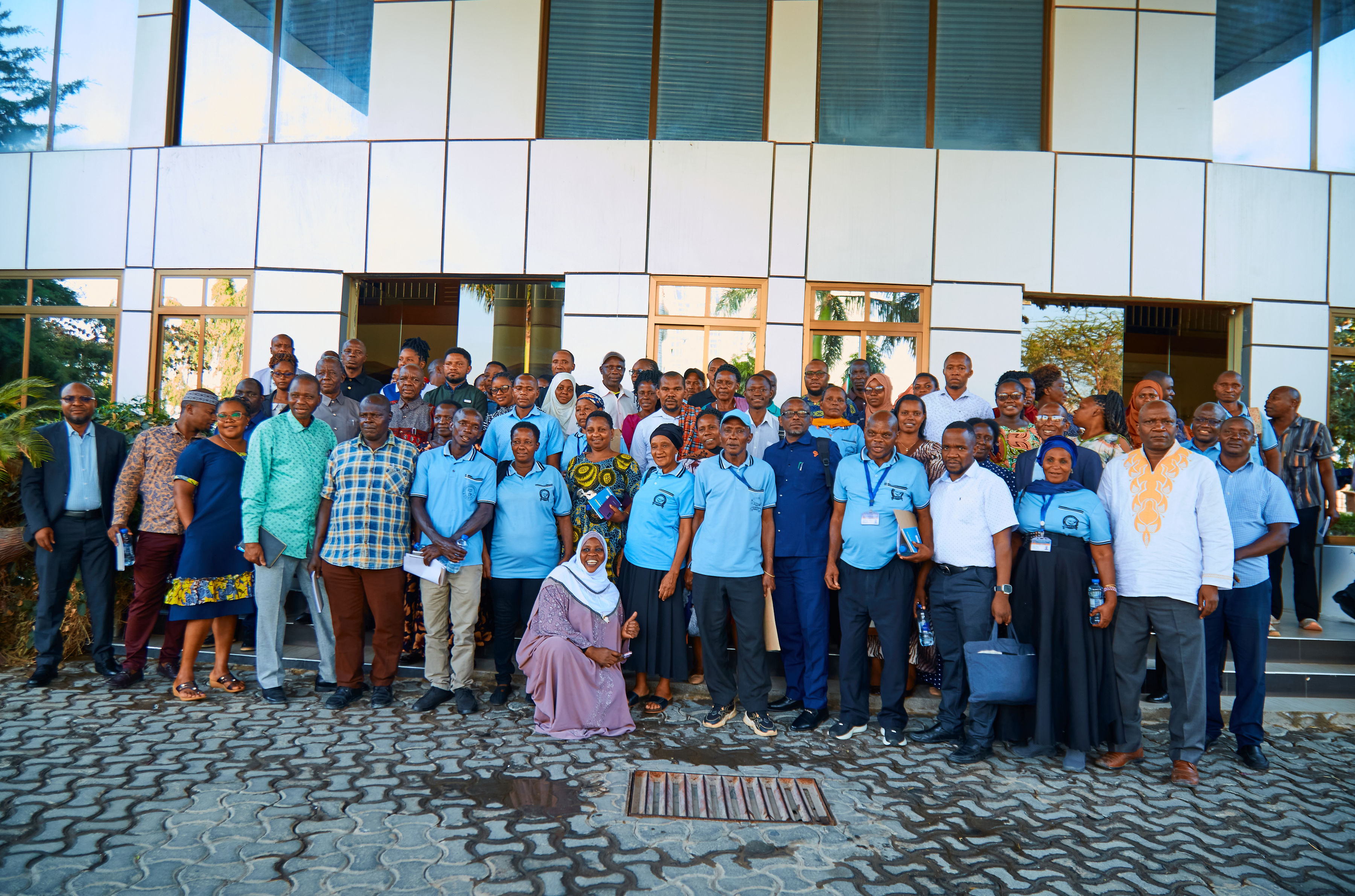
HakiElimu Tanzania has continued to demonstrate its strong commitment to promoting gender equality and social inclusion by conducting specialized training for stakeholders of the SAUTI ZETU project. This initiative aims to strengthen the involvement of all groups in development activities especially in the education sector to ensure that no one is left behind.
The training brought together staff from implementing partner organizations, including Child Support Tanzania (CST), Sawa Wanawake Tanzania (SAWA), Organization for Community Development (OCODE), Mtwara Non-Governmental Organizations Network (MTWANGONET), Save Education and Future Development Trust, as well as community leaders such as school heads, local government officials, and education officers from Bagamoyo, Mtwara, Ifakara, Mbeya City, and Mvomero.
Empowering Stakeholders to Implement Gender-Responsive Development Projects
Opening the training session, HakiElimu’s Gender and Development Expert, Ms. Nuria Mshare, emphasized the importance of ensuring that all development projects prioritize gender equality and reach marginalized groups.
“We expect to see institutions giving priority to groups that are often forgotten, including people with disabilities, women, girls, and marginalized communities,” said Ms. Nuria.
“This is crucial when planning and implementing budgets that affect all citizens.”
Community Members Should Participate from Project Design to Evaluation
From CST in Mbeya, Ms. Hildergade Mehrab, Head of Projects and Advocacy, highlighted that transparency and community involvement are essential to the success of social development initiatives.
“It is important to give the end beneficiaries a voice from the project design stage all the way to its evaluation. This helps gather insights from all sides—citizens, experts, and the government, when beneficiaries are well informed, involved, and actively engaged from project design to evaluation, they develop a strong sense of ownership. This increases the likelihood that the initiative will remain sustainable even after the project ends” Dr. Mehrab noted.
Community Participation Improves Learning Environments
Speaking on the role of communities in education, Ms. Leonora Ngowi, Monitoring and Evaluation Officer at SAWA, explained that community engagement is a powerful driver of child-friendly learning environments.
“When the community participates fully, children receive better support and improved learning conditions because every stakeholder understands their responsibility,” she said.
Teachers Motivated to Strengthen Inclusive Education
For educators, the training has also served as a source of motivation.
Mr. Jangson Mwang’ombola, Head Teacher of Lusanga Primary School in Mvomero, shared that inclusive education is key to promoting equality in schools.
“Inclusive education brings together children with and without challenges, and gives all of them equal learning opportunities regardless of disability,” he explained.
Mr. Renatus Kisenha, Head Teacher of Nianinjema Primary School from Bagamoyo, added that the training enhanced his understanding of how to eliminate stigma and strengthen collaboration among teachers, parents, and students.
HakiElimu Continues its Mission to Promote Equality and Child Protection
HakiElimu reaffirmed its commitment to continue providing training and collaborating with education stakeholders across the country to ensure that the principles of gender equality, inclusion, and child protection are upheld in the education sector and in broader development efforts.
The SAUTI ZETU project continues to stand out as a strong example of how organizations, government and communities can work together to improve children’s lives and foster equality at every stage of development.